

On This Page

Skincare for Sensitive & Reactive Skin
-
Fragrance-free. Citric acid-free. Barrier-first.
Every product in this collection was chosen because sensitive skin isn't a fixed condition — it's a signal. Something is off, and it can be fixed. This is where it starts.
it's not you... really
The gentle cleanser. The fragrance-free moisturizer. The careful, considered routine you built and rebuilt and rebuilt again. You read the labels. You patch-tested. You gave things time.
And your skin still reacts.
It reddens. It tightens. It flares at things it tolerated last month and refuses things it loved last year. You've been told you just have sensitive skin — as though that's a fixed condition, a category you belong to, a thing you simply are.
It isn't.
Sensitive skin is not a skin type. It's a response. The skin is telling you something is off — usually something specific, usually something fixable — and it will keep sending that message until something actually changes.
Whether it's a compromised skin barrier, a gut microbiome imbalance, inflammatory ingredients, or an environmental aggressor, there are so many ways to cultivate not just your glow, but your skin's health.
SENSITIVE IS NOT a skin TYPE. It's a RESPONSE.
The Causes
01
aggressive skincare
02
hidden toxins in your routine
03
lymphatic stagnation
04
diet and nutrition
05
stress, sleep, and hormones
the causes of sensitivity : 01
overexfoliation: Acids in Skincare

We tend to overuse skincare acids hoping it will 'reveal a glow', 'smooth fine lines', or help 'dry up congestion'.
But used consistently acids can thin the skin and worsen inflammation. They can also cause stress on the skin's barrier - the structure that's designed to protect the skin. The result is skin that is technically exfoliated, but is actually more reactive, more sun-sensitive, and more prone to the exact concerns the acids were meant to fix.
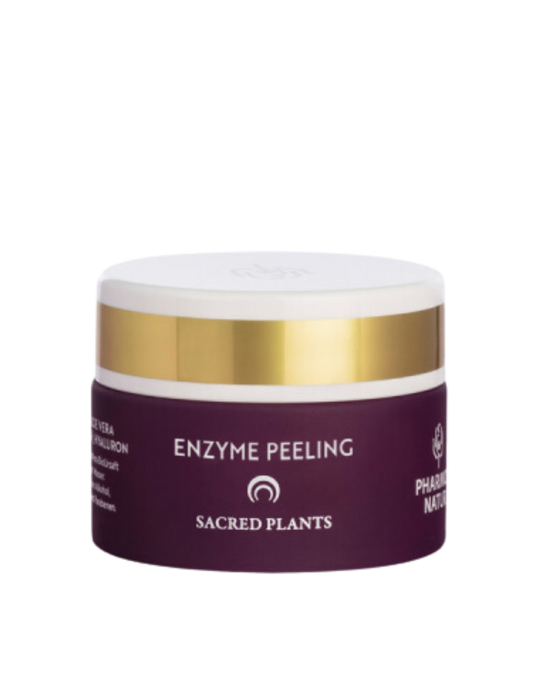
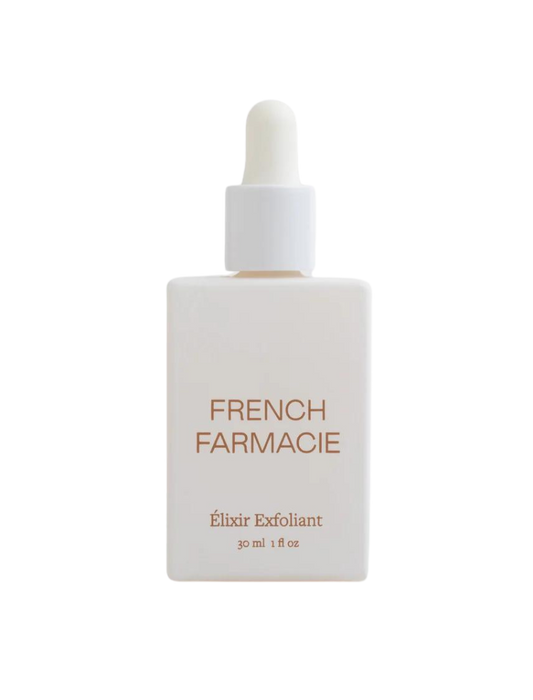
Instead, focus on gentle fruit enzymes that respect the skin barrier while gently removing dead skin cells.
"I see this constantly — clients who have been faithful to their acid routine for years and their skin is more reactive than ever. The skin isn't the problem. The routine is."
what to use instead
from the blog
Why Your Skin is More Sensitive During Summer Months
the causes of sensitivity : 02
THE INGREDIENTS YOU DON'T NOTICE: 'Clean' Skincare that isn't Actually Clean
Toxins in skincare are not shocking- but they are surprising when you're buying 'clean' skincare. Fragrances, low-quality or filler ingredients can expose your skin to additional toxins.
Even in low-quality skincare, 10% of ingredients reach the bloodstream.
So every morning and evening routine could be contributing to your toxic load. The result is a burdened immune system, sluggish lymphatic flow, and increased inflammation across your body... and skin.
The one ingredient that may surprise you? Citric acid — found in most formulations and framed as natural — is produced via industrial fermentation using Aspergillus niger, a mold. For reactive skin, it's a trigger hiding in plain sight.


from the blog
Greenwashing: What the Beauty Industry Isn't Telling You
"Toxins, especially citric acid, are in so many formulations — and always framed as 'natural'. I made the decision to exclude it from everything in the shop. We deserve better ... so does our skin."
from the blog
Mold, Citric Acid, and Your Skin

The lymphatic system is the body's drainage network — responsible for filtering and removing toxins, cellular waste, pathogens, and inflammatory byproducts from the tissues. When it moves freely, the skin stays clear, calm, and resilient. When the lymphatic system stagnates — from sedentary habits, chronic stress, poor sleep, or structural congestion — those toxins and waste products have nowhere to go and cause a cascade of issues. They accumulate in the tissue, and the body responds: triggering an inflammatory cascade, or in many cases, a histamine response that registers on the skin as redness, reactivity, and heightened sensitivity.
That toxic burden doesn't stop at inflammation. Over time, the buildup actively interferes with the skin's structural integrity — disrupting collagen production and degrading elastin, the proteins responsible for skin's firmness and resilience. What looks like premature aging or skin that "won't bounce back" is often, at least in part, a drainage problem.
And the skin, as the body's largest detox organ, becomes one of the primary exit routes when the lymph system can't keep up. It's doing the cleanup job the lymphatic system isn't.
Unlike the cardiovascular system, the lymphatic system has no pump. It relies entirely on movement: muscle contraction, breath, manual stimulation. Without it, fluid pools. Without drainage, inflammation becomes the default state — and inflamed skin is, by definition, reactive skin.


from the blog
How Your Lymphatic System Works 101
the causes of sensitivity : 04
WHAT YOU'RE EATING... OR NOT: the Gut - Skin Connection

The gut-skin connection is physiology, not wellness marketing. Sugar, alcohol, and processed foods drive systemic inflammation that shows up on the skin. Omega-3s, leafy greens, and consistent hydration support barrier integrity from the inside out.
What to Eat
Omega-3 fatty acids
wild-caught salmon, sardines, walnuts, flaxseed
reduce systemic inflammation and support barrier lipid production
Leafy greens
spinach, kale, arugula
deliver antioxidants that neutralize oxidative stress at the skin level
Fermented foods
kimchi, sauerkraut, plain kefir
feed the gut microbiome, which directly influences skin inflammation
Zinc-rich foods
pumpkin seeds, legumes, pasture-raised eggs
support wound healing and regulate sebum production
Bone broth
provides glycine and proline for structural skin repair
Berries
high in polyphenols that reduce inflammatory cytokines
What to Avoid
Added sugar and refined carbohydrates
spike insulin, trigger androgens, and drive inflammation
Alcohol
depletes B vitamins, dehydrates tissue, and burdens the liver's detox capacity (which lands on the skin)
Processed seed oils
canola, soy, sunflower
high in omega-6 fatty acids that promote inflammatory cascades
Conventional dairy
can trigger IGF-1 signaling and inflammatory responses in reactive skin
Gluten
for those with sensitivity or gut permeability
can increase intestinal permeability and systemic inflammation
Ultra-processed foods
introduce preservatives and emulsifiers that disrupt the gut microbiome

from the blog
Eating for Beauty
"Beauty is truly a reflection of what's happening inside the body. If you're not properly feeding your body, you're not feeding you skin either. SO many key components of skin and barrier health are reliant on nutrition - proteins, greens, antioxidants - you have to feed your gut to balance your skin."
from the blog
Our Ultimate Lifestyle Guide for Glowing Skin
the causes of sensitivity : 05
CAUSE 05: Stress, Sleep, and Hormones

The skin doesn't separate what's happening in your life from what's happening on your face. Cortisol, sleep debt, and hormonal fluctuation are not abstract wellness concerns — they are direct inputs to the skin's barrier function, inflammatory threshold, and ability to repair. When any one of these is chronically disrupted, the skin can't compensate indefinitely. It starts to show you.
cortisol
Cortisol impairs ceramide production — the lipid that holds the barrier together. There's a reason we often reach for tuning forks or focus on vagus nerve release when clients are in our chair.
- try a supplement like magnesium to promote calm
- walk in a park to naturally lower cortisol levels by surrounding yourself with nature
- stand - or walk - barefoot in grass for a 'grounding' effect (what is grounding?)
- eat citrus - it can help flatten your cortisol response and balance energy throughout the day (learn more)
Beauty Sleep
Sleep is when the skin repairs. Not relaxes — repairs. Growth hormone peaks in the first hours of deep sleep, driving cell turnover and collagen synthesis. Cortisol drops. The skin's pH and hydration levels rebalance. Interrupt that window consistently, and you're asking the skin to function in a state of chronic incomplete repair.
- avoid blue-light devices before bedtime
- morning sunlight helps maintain your circadian rhythm by signaling energy production to 'wake up'
- evening sunlight provides yellow and orange wavelengths to help the body downshift for the evening
Hormonal Shifts
Hormonal shifts through the cycle, perimenopause, and postmenopause all register on the skin's surface.
Estrogen supports collagen production, barrier integrity, and sebum regulation. When levels fluctuate — across the monthly cycle, through perimenopause, or postmenopause — those functions fluctuate with them. The skin that felt balanced last year can become reactive, dry, or suddenly prone to breakouts without any change in routine.
This isn't a product problem. It's a hormonal one — and the approach needs to shift accordingly.
Your Environment
Air pollution, hard water, seasonal temperature shifts, and indoor heating and cooling all place a measurable burden on the skin. Pollution particles are small enough to penetrate the barrier, triggering oxidative stress and inflammation.
- Hard water leaves mineral deposits that disrupt the skin's pH and degrade the lipid barrier over time. Try an at-faucet water filter to help soften and purify water at the source.
- Extreme temperature changes — stepping from cold air into dry indoor heat — cause vascular reactivity that, repeated daily, trains the skin into a state of chronic sensitivity.
None of these are as dramatic as a product reaction, which is why they're often overlooked. They're background stressors — accumulating quietly until the skin stops coping.
the RITUALS


shop the sensitive skin collection
-
-
 SaleSale